
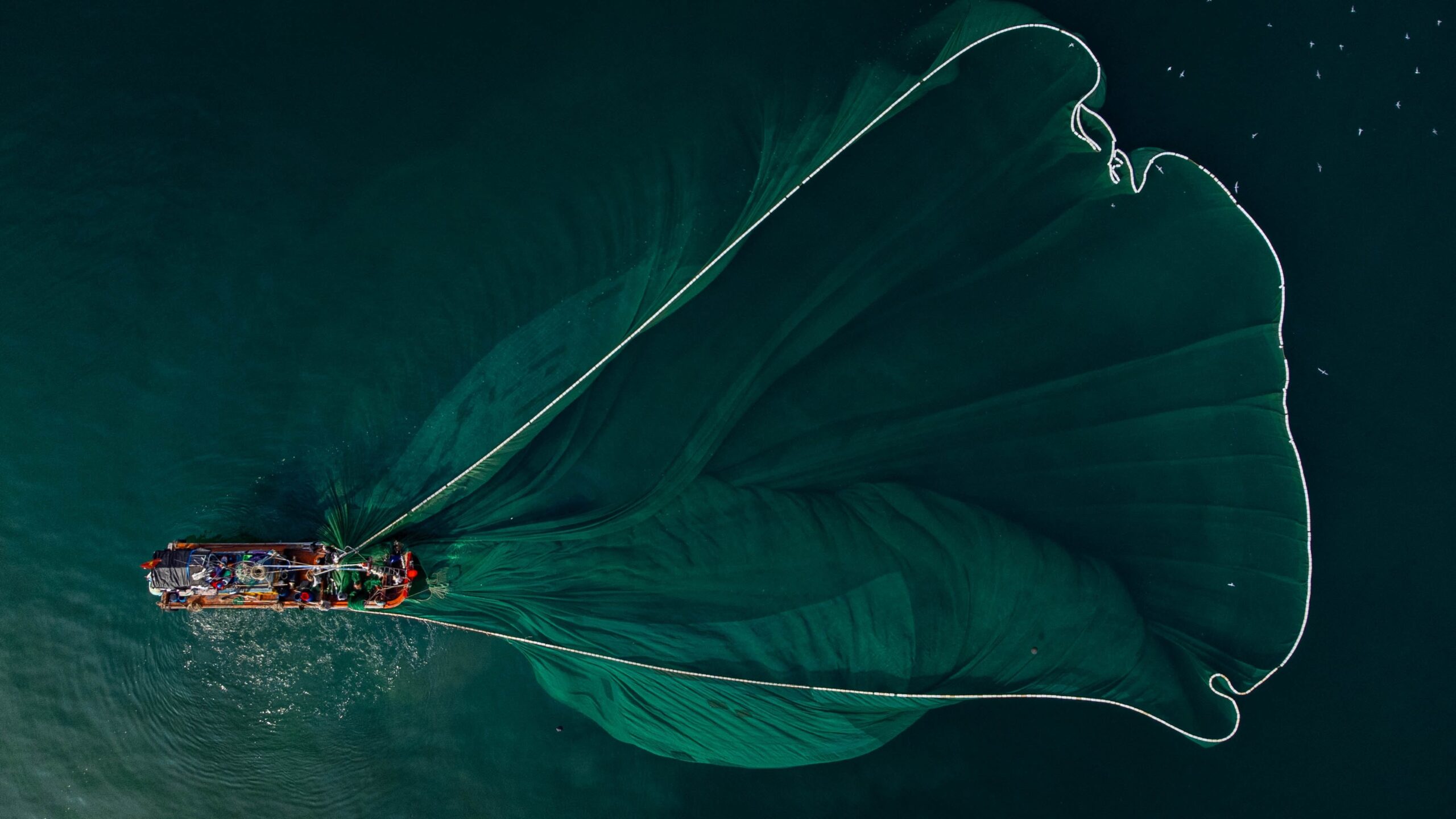
Can you imagine a world where the oceans are missing all of their sea life? Believe it or not, we are coming closer to this problem day by day. Bycatching has quickly escalated over time causing more sea life being fished out of the ocean than necessary. Because of numerous bycatching and high demands of seafood happening, overfishing has quickly become a huge global problem for the entire marine life, causing food chain disruption, population decrease, and destruction of its habitat.
I’ve chosen to write about this topic because I believe that there should be more awareness about what is happening to our seas. All these sealife problems were first introduced to me last year and the problem I was most fascinated by was overfishing. Overfishing caught my eye because I realised more than one third of the world’s population is affected by this issue and I wanted to bring an end to the predicament. Throughout this essay, I will be stating the main causes of overfishing as well as the problems and effects.
Overfishing
What is Overfishing and Why is it a Problem?
Overfishing is when people fish marine animals faster than they can reproduce, reducing the population of sea life around the world. It causes food shortages, threatens marine ecosystems and makes the oceans population unbalanced making it a huge concern to the wild marine life. Around one-third of global sea life has been overfished.
According to the research summary “Marine Stewardship Council,” and “World Wildlife Organisation,” overfishing has had significant consequences for global food security, particularly in countries already facing high levels of undernourishment. The authors estimated that in nations where more than 5 percent of the population was undernourished, the additional fish that could have been caught in 2000 if local waters had not been overfished would have been enough to help 20 million people avoid undernourishment. This finding highlights the critical link between sustainable fisheries management and the fight against hunger, demonstrating how overfishing can reduce an important source of nutrition for vulnerable populations.
What Overfishing Affects
Overfishing has serious effects on the ocean and the environment.
One major effect is loss of Marine life, as too many fish are removed from the sea faster than they can reproduce. This causes some species to become endangered or even extinct.
This problem also disrupts the ocean’s food chain because many marine animals depend on fish for food, so removing large amounts of one species affects predators and other organisms throughout the ecosystem.
In addition, overfishing can lead to the destruction of marine habitats. Certain fishing methods, such as bottom trawling, damage coral reefs and seabeds, destroying important habitats where marine animals live, feed and reproduce.
These harmful effects of overfishing will be explored more in detail later in this text.
Causes of Overfishing
1. Bycatching
Bycatching is a major problem in the fishing industry because it harms many sea animals that fishermen are not trying to catch.
Every year, thousands of animals such as sea turtles, dolphins, and sharks are accidentally caught in fishing nets and hooks. This is harmful because these animals can be injured or killed, which affects ocean ecosystems and can reduce populations of important species.
Hence, bycatching is an environmental issue that needs better fishing methods to help protect marine life.
How does it cause Overfishing?
Bycatching contributes to overfishing because many sea animals are caught and removed from the ocean even though fishermen are not trying to catch them.
Large fishing nets and longlines often accidentally catch fish, sharks, sea turtles, and other marine animals. Most of the time, these accidentally caught animals are not released back into the ocean, and even when they are, many die because they have been injured or exposed to air for too long. This means that bycatching removes extra animals from the ocean that could have continued reproducing and supporting healthy ecosystems. Since many of these animals are wasted instead of being used, bycatching increases the number of marine animals taken from the ocean without providing any benefit.
Overall, bycatching adds to overfishing by reducing marine populations and wasting ocean resources.
2. Persistent Global Demand for Seafood
This is where people and food industries ask for too much seafood being fished out of the oceans.
How does it cause Overfishing?
Relentless global demand for seafood is one of the main reasons why overfishing is happening around the world. Because of how much seafood is eaten around the world, workers and fishing industries fish in enormous amounts.This causes overfishing because in some places, fish are being caught faster than they can reproduce.
This proves that the high demand for seafood is a big cause of overfishing.
Effects of Overfishing
1. Food Chain Disruption
Food chain disruption is when there is a breakage or interruption within a food chain causing the animals’ population to become uncontrolled and unbalanced.
Food chain disruption is a big problem because it can cause members of a food chain to starve or to multiply uncontrollably.
Example: if hawks (the top predator) are removed from one of Australia’s animal food chains, the population of snakes (the prey of hawks) will increase. This could lead to the disappearance of rodents and lizards (the prey of snakes) because the population of snakes will dominate the rest of the food chain.
Why is Food Chain Disruption Caused by Overfishing?
Overfishing causes food chain disruption because it takes away specific species from a food chain, leaving a breakage. As evidence, the population of sea life has decreased because few species were removed mostly or entirely from the ocean. Removing key species from the ocean . The overall result of food chain disruption can lead to small amounts of sea life across the entire ocean.
Real Life Example of Food Chain Disruption
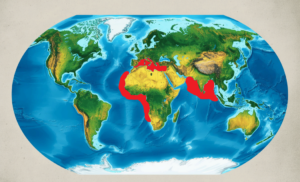
In 1922, the Atlantic cod was overfished in the Grand Banks of Newfoundland and Labrador leading to the explosion of sea urchins population. Because the urchins began to grow too much, it ended up devouring an abundance of algae. This was a problem because the large amount of algae disappearance eliminated many habitats for other sealife. This is only one case of species being lost and yet it affected almost the whole ecosystem of Grand Banks waters.
Where does it happen?
2. Sealife Population Decrease
How is it caused by overfishing?
Overfishing is basically the same thing as decrease in sea life populations. Large fishing companies often catch huge amounts of fish at once, leaving many species unable to reproduce quickly enough to recover their numbers. This leads to a major decline in marine species, with some becoming endangered or disappearing from certain regions completely. As fewer sea creatures remain in the ocean, marine environments become less stable and healthy. Therefore, overfishing is a big environmental problem because it causes sea life populations to rapidly decrease.
Why is it a Problem?
This is a big problem because it will leave only a few or even no fish to look after the ocean. As you probably know, fish look after oceans and coral reefs because they provide shelter and food for other fish. Without healthy fish populations, the balance of marine ecosystems can be disrupted, making it harder for sea creatures to survive.
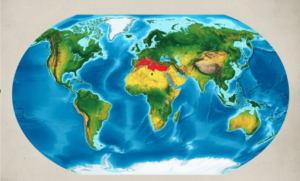
Where it happens
What does it affect?
A decrease in sea life populations can have serious effects on the health of the ocean.
Overfishing often results in baby fish being caught before they have a chance to grow and reproduce, reducing the number of marine animals in the ocean.When fewer animals are able to breed, populations continue to decline. This lowers biodiversity and can cause some species to become endangered or even extinct. As marine species play important roles in maintaining balanced ecosystems, their loss can disrupt food chains and damage ocean health.
Declining sea life populations are a major environmental issue because they reduce biodiversity and threaten the stability of marine ecosystems.
3. Destruction of Marine Habitat
How is it caused by overfishing?
Fish are not the only animals being overfished. Marine life like lobsters, crabs or oysters live near the bottom of the ocean making the fishing methods there different to normal fishing. Most of these methods involve scraping the bottom of the ocean to collect those deep sea creatures causing destruction. (source from ‘Ocean with David Attenborough’ (watched on Disney+)
How and Why is it a Problem?
One harmful effect of overfishing is the destruction of underwater environments.
Fishing methods such as bottom trawling drag large nets across the seafloor, damaging coral formations and other natural structures where aquatic animals live. These areas are important because they provide safe spaces for breeding, hiding, and finding nourishment. Without these environments, many sea creatures struggle to survive and may be forced to relocate, causing imbalance in different parts of the ocean.
The destruction of underwater habitats can seriously damage ocean life and reduce the health of marine ecosystems.
The Effects of it
The destruction of marine habitats has a significant negative impact on ocean ecosystems. One effect is a decrease in biodiversity, as many fish species are forced to leave when their habitats are damaged or destroyed. This occurs because fish rely on healthy marine environments for food, shelter, and breeding grounds. In addition, coral damage contributes to habitat loss, reducing the number of places where marine organisms can survive. As a result, the destruction of marine habitats leads to lower biodiversity and weaker marine ecosystems.
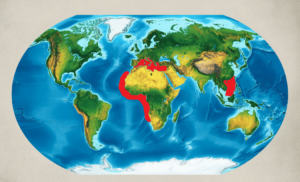
Where it happens
Conclusion
In conclusion, overfishing is a growing problem that is harming marine life around the world. Bycatch and the high demand for seafood are causing too many fish and other sea animals to be taken from the ocean. This leads to broken food chains, smaller animal populations, and damaged habitats. If we do not act now, our oceans could lose much of the amazing sea life they contain. By supporting sustainable fishing and making responsible choices, we can help protect marine life and keep our oceans healthy for the future.
About the Author

My name is Marianna and I am currently half-way through my first year of high school. My favourite subjects are English, Maths, Music and Sport. Aside from writing, I also enjoy reading, performing and playing badminton and netball with my family and friends. My dream is being a vet or zookeeper because ever since I was a kid, I loved animals. My favourite place to learn is in nature because that’s where all my favourite animals are.